A Day in Mosul’s Rebuilt Old City – Stories from Local Artisans
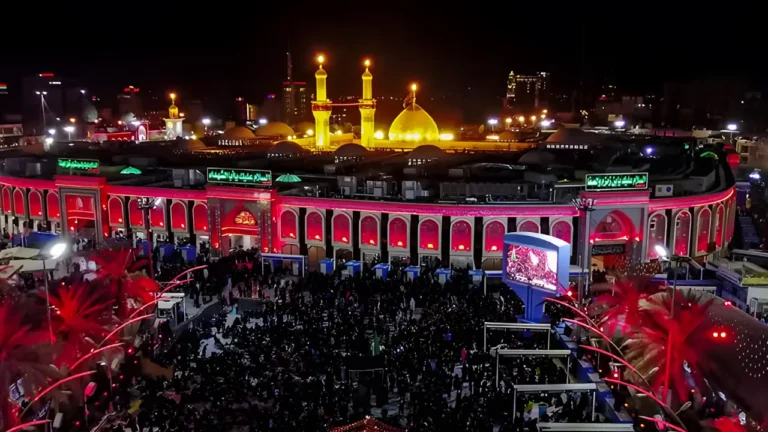
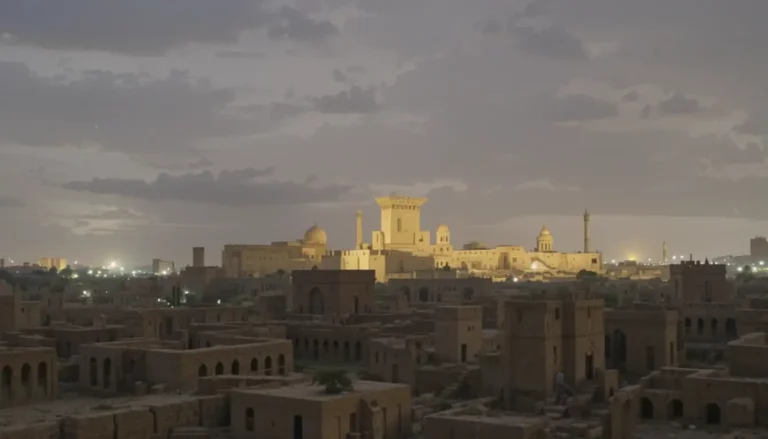
Walking its narrow lanes today — past scaffolding draped in green netting, beside walls still scarred by bullet pocks and blast marks, under the restored arches of the 12th-century Al-Nuri Mosque — is to witness a radical act of faith: not in reconstruction alone, but in recollection.
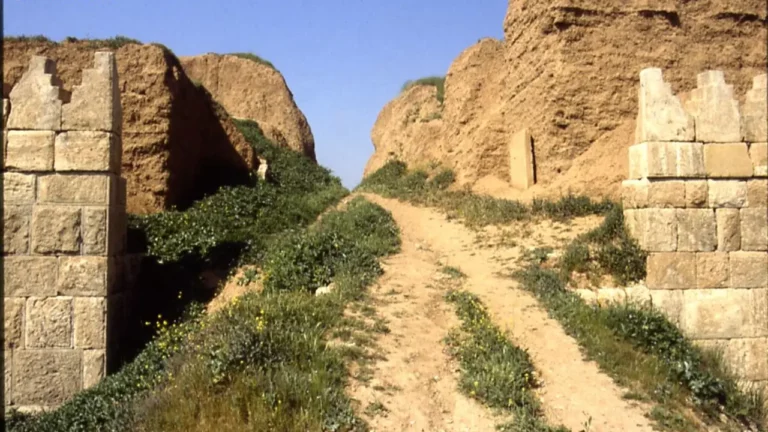
Between 2014 and 2017, ISIS occupied Mosul. In the brutal Battle of Mosul (2016–2017), nearly 70% of the Old City was destroyed — including 5,000+ heritage buildings, 124 mosques, and centuries of artisan workshops. The iconic Al-Hadba Minaret, leaning like Pisa’s but older, stood cracked but defiant — a symbol of a city unbowed.
Today, five years after liberation, Mosul is not “rebuilding.” It is remembering itself, one carved gypsum panel, one hammered copper tray, one hand-stitched mujaffa (embroidered gown) at a time.
This is not a story of international NGOs or UNESCO blueprints — though they help. This is the story of local hands: the stone-carver who salvaged his grandfather’s chisels from rubble; the young woman reviving al-‘Ardah embroidery in a rooftop studio; the blind calligrapher who “sees” the curve of Thuluth script in his fingertips.
Spend a day here, and you’ll learn: in Mosul, craft is resistance. Heritage is not preserved behind glass — it is forged, sung, and sewn back into daily life.
Let’s walk — slowly, respectfully — with those who are remaking Mosul, stroke by stroke.
Dawn (6:00–8:00 AM) The Light Returns to the Tigris
The day begins not with noise, but with silence — and then song.
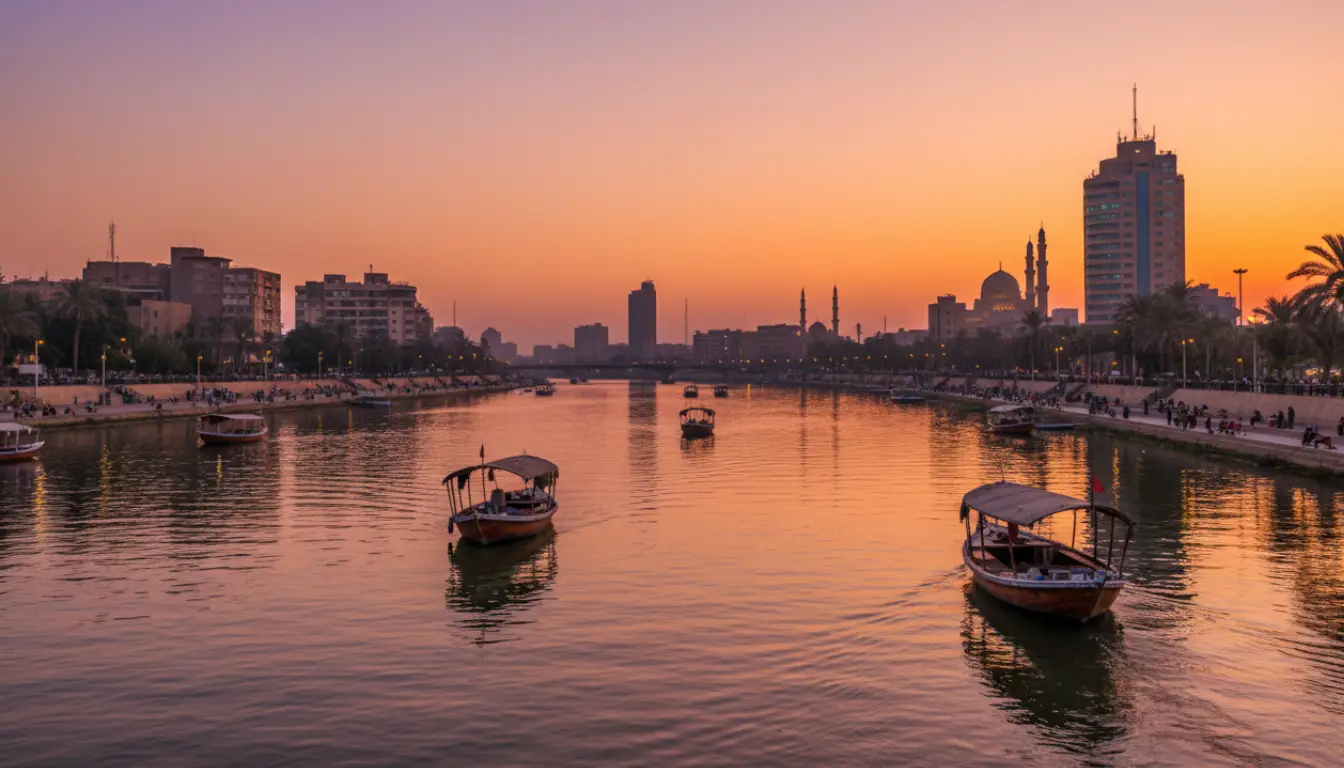
At sunrise, the call to prayer rises from Al-Nuri Mosque — newly rebuilt, its minaret straightened, its courtyard paved with black-and-white qadad stone (a traditional waterproof lime plaster). This is the first time in a decade the adhan has echoed from this spot — not as defiance, but as homecoming.
Where to Stand: On the western bank of the Tigris, near the Old Bridge (Al-Ahras) — now restored with original basalt stones salvaged from the riverbed.
Watch as fishermen cast nets in the same rhythm their grandfathers used. See women in sharwāl trousers and bright mujaffa gowns walk to market, their steps echoing centuries.
Local Insight:
“They bombed the minaret, but not the qibla wall,” says Hassan, 68, former muezzin. “We rebuilt around what remained. That’s Mosul — we don’t start over. We continue.”
Morning (8:30–11:30 AM) Hands That Remember — The Artisan Quarter
The heart of the Old City’s revival lies not in monuments, but in workshops — many rebuilt from rubble, their doors open to the street, tools laid out like sacred offerings.
Al-Hadba Copper Workshop — Where Sound is Sculpted
Suq al-Safāfīr (Coppersmiths’ Market), near Al-Tahera Church
- Master: Rafid al-Jumaili, 42 — third-generation ṣaffār (coppersmith)
- Story: His grandfather’s workshop was flattened in 2016. Rafid dug for three days in the debris — and found his grandfather’s original three-headed hammer (used for different tones), intact.
- Craft: Majmar (incense burners), ibriq (pouring jugs), sini (trays) — hammered by hand, then engraved with khatṭ (calligraphy) or al-‘Ardah motifs (zigzags = protection; pomegranates = abundance).
- What You’ll Hear:“Tak… tak-TAK… tak-tak-tak…” — the rhythm of the hammer speaks.
Slow taps = shaping. Sharp strikes = defining edge. A final TAK! = completion. - Try It: Rafid invites guests to make one strike on a small sini. “Your mark joins ours,” he says. “Now it carries your hope too.”
- Symbolism: Every piece is signed with a tiny alif (ا) — the first letter of Allāh, Anā (I), and Aṣl (origin).
Bayt al-Gips — The House of Memory in Stone
Near the ruins of Al-Tahera Syriac Catholic Church
- Master: Layla Khudhair, 35 — architect by training, artisan by calling
- Story: When ISIS banned figurative art, Layla’s father secretly carved floral patterns into gypsum blocks at night — hiding them in chicken coops. After liberation, she founded Bayt al-Gips to train youth in naqsh (gypsum relief carving).
- Craft: Restoring mashrabiyya screens, mosque mihrabs, and home façades using 12th-century Seljuk techniques — no power tools, only chisels, compasses, and geometry.
- Philosophy:“ISIS wanted to erase beauty because they feared its power. We carve flowers on ruins — not to hide scars, but to say: life grows here because of them.”
- See: A fragment of Al-Tahera’s original façade — carved with vines and doves — now embedded in the workshop wall.
Mujaffa Studio — Threads of Resilience
Rooftop above Al-Ma’mun Bookstore (rebuilt from ashes)
- Artisan Collective: Nisaa al-Mawsil (“Women of Mosul”) — 12 women, ages 19–68
- Story: Led by Sahar Mahmoud, 29, who lost her home, her brother, and her voice (from smoke inhalation during siege). She found it again in thread.
- Craft: Reviving mujaffa — the traditional Mosul gown:
- Base: Black satin or velvet
- Embroidery: Crimson, gold, and silver sarma thread
- Motifs:
- Shajarat al-Hayat (Tree of Life) — continuity
- Qamarayn (Two Moons) — coexistence (Christian/Muslim)
- Tirhandil (Ship) — Mosul’s ancient river trade
- Innovation: Adding QR codes to hems — scan to hear the artisan’s story in Arabic, English, or French.
- Wear It: Visitors can commission a mujaffa sash (1–2 hours, $40) — woven while you sip chai and listen to maqam songs.
Sahar’s Words:
“They took our homes, but not our hands. Every stitch is a letter we refused to burn.”
Midday (12:00–2:00 PM) Bread, Books, and the Taste of Return
Al-Samadan Bakery — Where Dough Holds Memory
In a rebuilt alley off Suq al-Sagha (Goldsmiths’ Market), Umm Nizar kneads sammūn — Mosul’s iconic sesame-topped flatbread — in a tannūr (clay oven) rebuilt with bricks from her own destroyed house.
- Secret: A pinch of ash from the old oven — mixed into the new clay. “So the fire remembers,” she says.
- Ritual: Every Friday, she bakes kahi (layered pastry) for neighbours — Muslim, Christian, Yazidi — “to remind us we shared the same hunger, the same hope.”
- Try: Sammūn with jibna (local cheese) and duqqus (green olive paste) — the taste of pre-2014 Mosul.
Al-Ma’mun Cultural Café & Bookstore
Once Mosul’s oldest bookstore (est. 1928), burned in 2014. Reopened in 2023 in a restored Ottoman diwan (guesthouse).
- What’s Inside:
- 3,000+ Arabic books — many donated by diaspora Moslawis
- “Wall of Lost Books” — empty shelves with titles of volumes looted or burned
- The Memory Corner: A touchscreen archive of 500+ oral histories — including a 98-year-old Jew recalling Sukkot in Al-Bataween
- Must-Do: Order qahwa mawsiliyya (cardamom coffee with orange blossom water) and read a page from Nizar Qabbani’s Mosul Notebook — handwritten poems smuggled out during occupation.
Quote on the wall:
“A city that reads cannot be erased.”
— Anonymous, spray-painted on a ruin, 2017
Afternoon (2:30–5:00 PM) The Minaret and the Minbar — Symbols Reborn
Al-Nuri Mosque Complex — Restoration as Reconciliation
The centrepiece of Mosul’s revival — rebuilt by UNESCO and UAE, but guided by local stonemasons, carpenters, and historians.
- The Minaret (Al-Hadba):
- Height restored to 45m (original: 48m — the 3m “lean” was structural, now stabilised)
- Spiral staircase rebuilt using original basalt — each stone numbered, catalogued, and repositioned
- Inside the base: A time capsule — letters from children, fragments of pre-2014 tiles, a copper sini from Rafid
- The Minbar (Pulpit):
- Carved by Ahmed al-Zubaidi, 58, blind since 2004 (car bomb).
- Uses Aleppo pine (donated by Syrian craftsmen in solidarity)
- Panels depict:
- Noah’s Ark (Mosul’s ancient link to the Tigris floodplain)
- The Two Rivers (Tigris & Euphrates — source of life)
- A Hand Holding a Chisel — “The artisan as peacemaker”
- Ahmed’s method: His fingers trace templates carved by his son; his hands know the grain like braille.“I don’t see wood. I feel its story. This minbar will hold sermons of unity — so I carve patience into every groove.”
The Four Churches Lane — Coexistence in Stone
Just west of Al-Nuri, four historic churches — Syriac Catholic, Armenian, Chaldean, Syriac Orthodox — are being restored side-by-side.
- Shared Workshop: Muslim and Christian artisans train together in stone inlay (zakhrafah), using lapis (blue), gypsum (white), and iron oxide (red) — the colours of Mosul’s flag.
- Symbolic Act: Each church’s entrance now bears a shared emblem — a dove holding an olive branch and a Quranic verse (“We have created you from male and female, and made you nations and tribes to know one another” — 49:13).
Evening (5:30–8:00 PM) Light, Song, and the Future
Sunset at Nabi Yunus (Prophet Jonah) Shrine
Though the shrine was destroyed in 2014, the hilltop site remains a place of pilgrimage — Muslim, Christian, and Yazidi.
- New Addition: A Spiral Path of Light — 1,001 solar-powered lanterns (one for each day of occupation), installed by youth collective Shams al-Mawsil (“Sun of Mosul”).
- At Dusk: Locals light one lantern each, reciting a name, a hope, a verse.
- View: Panoramic over Mosul — old city glowing amber, new districts sparkling beyond.
- What You Might Hear: A young boy reciting Jonah 4:11: “Should I not have concern for the great city… in which there are more than 120,000 people?”
Al-Balad Café — Where Stories Are the Main Dish
A rooftop café in a rebuilt 19th-century bayt (house), run by Tareq and Rana — a Sunni-Shi’a couple who met in exile (Amman), returned to rebuild together.
- Evening Ritual: “Hikayat min al-Kharab” (“Stories from the Ruins”) — open mic for artisans, poets, survivors.
- Tonight’s Voices:
- Yusuf, 17 — recites a poem in Mōṣlī Arabic about rebuilding his father’s carpentry shop
- Sister Clara, Dominican nun — shares how nuns hid manuscripts in convent walls
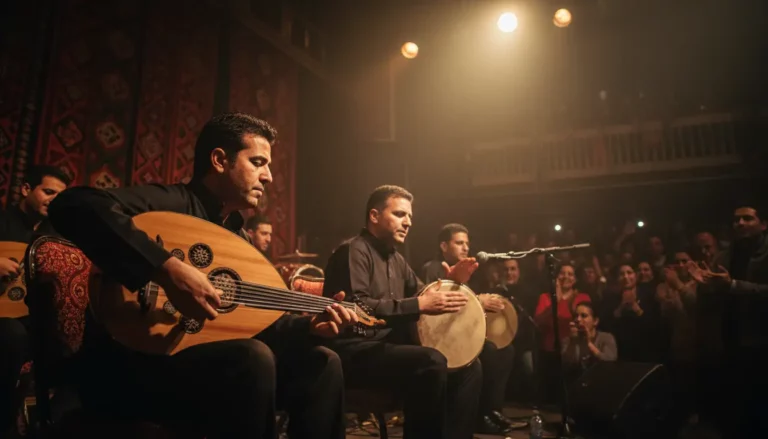
- Rafid — performs a ṣaffār “symphony” — hammer on copper, timed to maqam scales
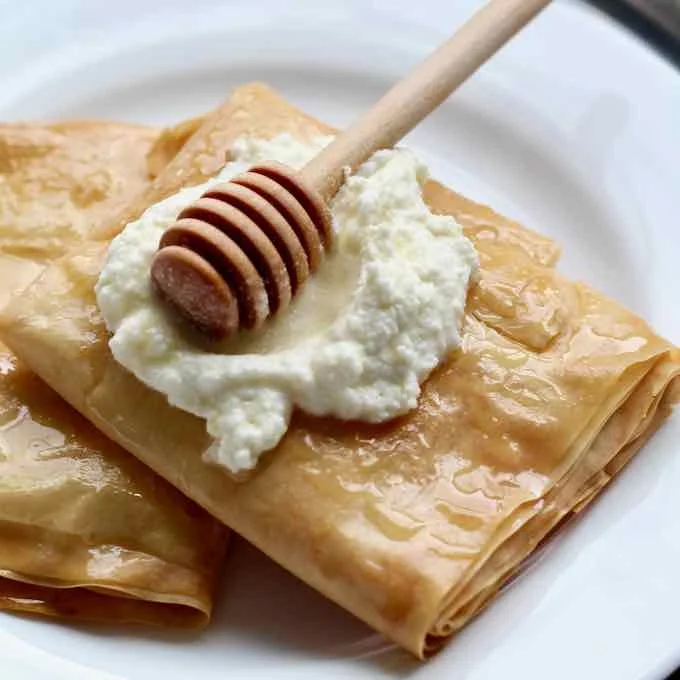
- Dessert: Kleicha mawsiliyya — date-filled cookies stamped with a double-headed eagle (ancient Assyrian motif, now symbol of unity).
Night (8:30 PM Onward) The City Breathes Again
As stars emerge, the Old City doesn’t sleep — it softens.
- Families stroll Al-Farouq Street, now pedestrianised, past murals of:
- A girl holding a book and a trowel
- A copper tray morphing into a dove
- The words: “Mā damma fīna nafas — lan tasmata al-ḥayāh” (“As long as we breathe, life will not be silenced”)
- In workshops, artisans work by lamplight — not for tourists, but for themselves. For their children. For the city.
Final Thought from Layla (gypsum carver):
“They thought destruction was the end of history. But in Mosul, we know: history is not written in stone. It is carved, re-carved, and passed hand to hand — until the world remembers how to be human again.”
Practical Guide Visiting with Respect and Impact
Best Time to Visit
- October–April: Mild days (15–25°C), clear skies
- Avoid: Ramadan midday (workshops closed); summer (45°C+)
How to Experience It Right
- Book with Local Guides Only:
- Mosul Heritage Walks (run by artisans; 100% revenue to workshops)
- Nisaa al-Mawsil Tours (women-led; includes embroidery demo)
- Never Tip Artisans Directly — instead:
- Buy a small piece ($10–30)
- Donate to Mosul Artisans Fund (via Al-Ma’mun Café)
- Share their stories (with permission)
Photography Ethics
- Always ask: “Yumkin?” (“May I?”) — point to camera
- Never photograph:
- Faces of children without parent consent
- Active restoration sites (safety/privacy)
- Military checkpoints (illegal)
- Do photograph:
- Hands at work
- Architectural details
- Murals and public art
What to Bring/Leave
| Bring | Leave Behind |
|---|---|
| • Modest clothing (long sleeves/pants) <br> • Small gifts: high-quality thread, Arabic calligraphy pens <br> • Notebook for stories <br> • Reusable water bottle | • Drones <br> • Loud speakers <br> • Political slogans on clothing <br> • Assumptions about “trauma tourism” |
Supporting Sustainability
- Shop Local:
- Copper: Al-Hadba Workshop (no markup)
- Textiles: Mujaffa Studio (QR code = artisan bio)
- Books: Al-Ma’mun (proceeds fund literacy programs)
- Avoid: Mass-produced “Mosul” souvenirs from Erbil — they fund no one in Mosul.
Voices of the Future
Yusuf, 17, apprentice coppersmith:
“My teacher says: ‘The hammer doesn’t ask if the copper is Sunni or Christian. It only asks: Are you ready to be shaped?’ That’s how Mosul heals.”
Sister Ablah, 72, Armenian Catholic nun:
“We planted roses in the church courtyard from seeds carried in our pockets during exile. They bloomed red — like the blood, yes — but also like the dawn.”
Dr. Omar Mohammed, “Mosul Eye” blogger:
“The world saw our destruction in headlines. Now, let them see our reconstruction in details — a stitch, a strike, a syllable. That is how civilisations return.”
Conclusion Not a Day — A Lifetime in the Making
A day in Mosul’s Old City does not end when the sun sets.
It settles into you — in the rhythm of the hammer, the scent of gypsum dust, the weight of a copper sini in your hands.
This is not nostalgia. It is necessity.
Every artisan here knows: rebuilding walls is easy. Rebuilding trust — memory — identity — that takes generations.
And yet, they strike the hammer.
They thread the needle.
They mix the plaster.
Because in Mosul, hope is not a feeling.
It is a verb.
And today — like every day — the people of Mosul are doing it.
Further Resources
- Books: The Mosul Cookbook (2024, by displaced chefs); Echoes of Mosul (oral histories, UNESCO)
- Documentaries: Mosul: City of Light (BBC, 2025); The Copper Keepers (Al Jazeera Arabic)
- Organisations to Support:
- Mosul Artisans Collective (mosulartisans.org)
- Al-Ma’mun Cultural Foundation
- UNESCO Revive the Spirit of Mosul
- Hashtags: #MosulRises #HandsOfMosul #MujaffaRevival
If you’re ready to explore Iraq, get in touch with us today. We offer complete travel packages, including flights, accommodation, and guided tours tailored to your needs. Simply fill out the form below or contact us on WhatsApp at +441992276061 for quick assistance. Let us make your journey to Iraq smooth and unforgettable!