How to Attend a Kurdish Tea Ceremony in Sulaymaniyah
In Sulaymaniyah — the cultural heart of the Kurdistan Region of Iraq — time doesn’t tick. It steeps.
Here, tea (çay) is not a beverage. It is a ritual. A diplomacy. A balm for grief. A seal on friendship. A quiet act of defiance.
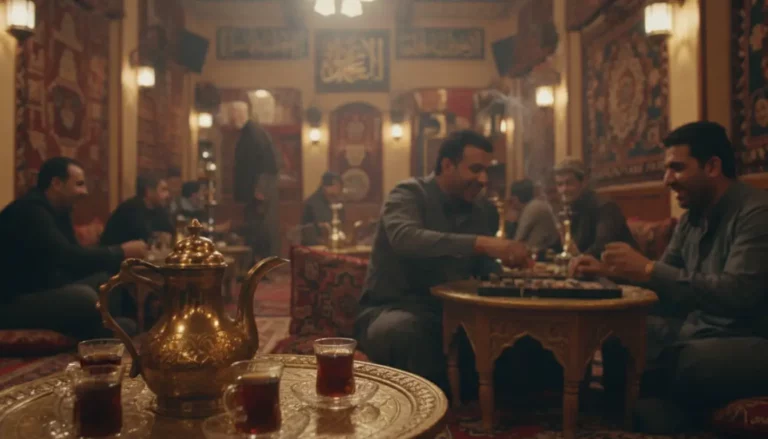
To attend a Kurdish tea ceremony in Sulaymaniyah is to step into a living archive — where every clink of glass, every tilt of the samovar, every swirl of amber liquid in a tulip-shaped pîyale carries centuries of history: Ottoman trade routes, British colonial interference, Ba’athist repression, and the unbroken spirit of a people who refused to vanish.
Unlike the formal, choreographed ceremonies of Japan or China, the Kurdish tea ritual is deceptively simple, profoundly deep. There are no rigid rules — yet countless unspoken codes. No masters in robes — yet elders whose slightest gesture commands reverence.
This guide is not about “how to drink tea.” It’s about how to receive it — with humility, presence, and an open heart. Because in Sulaymaniyah, when someone offers you tea, they are, in essence, saying:
“You are safe here. You are seen. You belong — for this moment — to us.”
Let’s learn how to honour that gift.
Why Sulaymaniyah? The Soul of Kurdish Çayxane Culture
While tea is drunk across Kurdistan — from Erbil to Diyarbakır — Sulaymaniyah (Silêmanî) is its spiritual capital. Known as “The City of Poets, Politicians, and Philosophers,” it’s where tea houses (çayxane) function as parliament, therapy clinic, newsroom, and art salon — all in one.
Key reasons Sulaymaniyah stands apart:
- Historical Sanctuary: Founded in 1784 by Baba (Prince) Sulayman Pasha, the city became a refuge for intellectuals fleeing Ottoman purges and later, Saddam’s Anfal campaigns.
- The Çayxane as Civil Society: During the 1990s embargo, when electricity failed and schools closed, çayxane kept Kurdish language, poetry, and political debate alive — often at great personal risk.
- Architectural Poetry: Traditional çayxane feature dihol (sunken seating), carved walnut tables, stained-glass windows, and walls lined with books — from Mem û Zîn to Marx.
- Gender Evolution: Once male-only, many çayxane now welcome women — especially younger, artist-run spaces like Nalî Café and Chawy Café.
Local Saying:
“In Baghdad, they make promises over coffee. In Sulaymaniyah, they make revolutions over tea.”
Part I: Understanding the Ceremony — Layers in a Glass
The Three Teas: A Metaphor for Life
A proper Kurdish tea service in Sulaymaniyah unfolds in three distinct rounds — each with its own colour, strength, and symbolism:
| Round | Appearance | Strength | Symbolism | When Served |
|---|---|---|---|---|
| 1. Çayê Serê (Head Tea) | Pale gold, almost clear | Light, floral | Welcome, caution, first impressions | Immediately upon seating |
| 2. Çayê Navîn (Middle Tea) | Amber, luminous | Balanced — not too bitter, not too sweet | Trust, dialogue, deepening connection | After 10–15 mins of conversation |
| 3. Çayê Dûbar (Double Tea) | Deep ruby, rich | Strong, sometimes with extra cardamom | Commitment, kinship, “you are now family” | At the end — declining it is a gentle farewell |
Note: Sweetness is not in the pot — it’s in the sugar cube (şikeft), held between the teeth while sipping. This allows sipping hot tea without burning the tongue — and lets each person control their sweetness.
The Tools of the Ritual
| Item | Kurdish Name | Function | Cultural Note |
|---|---|---|---|
| Samovar | Samawar | Brass or copper hot-water urn, kept simmering | Often heirloom — passed from father to son |
| Teapot (Small) | Çaydan | Steeps loose-leaf Ceylon or Çayê Gewre (local mountain blend) | Never boiled — steeped 4–7 mins for depth |
| Tulip Glass | Pîyale | Holds 50–70ml; thin-walled to feel temperature | Cloudiness = over-steeped; clarity = mastery |
| Tray | Sini | Brass or engraved wood; carries glasses, sugar, snacks | Always carried with both hands — respect for the offering |
| Sugar Tongs | Cımbız | For sugar cubes (never fingers) | Silver ones denote high hospitality |
The Unwritten Rules — What No One Tells You (But Everyone Knows)
- The First Sip is Silent
After receiving your pîyale, hold it with both hands, gaze into the steam, and take one slow sip — without speaking. It’s a moment of gratitude, almost meditative. - Never Say “No” Directly
If you’ve had enough, place your hand lightly over the glass when the server approaches. A firm “Bas e!” (“Enough!”) is acceptable only among close friends. - The Saucer is Not Decorative
Rest your pîyale on its saucer between sips — never on the table. A glass left on wood = disrespect for the host’s home. - Refills Are Automatic — and Infinite
An empty glass is refilled within 30 seconds. It’s considered rude to let a guest’s glass sit empty — a sign the host has failed in mêvanperwerî (guest care). - Time Is Fluid — Don’t Check Your Watch
A tea session can last 20 minutes or 3 hours. Leaving early implies discomfort. Let the host signal closure (e.g., offering dried fruit = nearing end).
Part II: Where to Experience It — From Historic Halls to Hidden Gems
The Grand Old Masters
- Hajji Baba Çayxane (Est. 1921)
Near Qlyasan Roundabout- Why go: Oldest continuously operating çayxane in Sulaymaniyah. Walls lined with photos of poets, peshmerga, and 1950s intellectuals.
- Signature: Çayê Gewre (tea from Mount Qandil herbs + black tea), served with nanê berbêr (thyme flatbread).
- Tip: Visit at 5 PM — when retired professors hold impromptu seminars on Goranî poetry.
- Saray Çayxane
In the restored Ottoman Saray (Palace) complex- Why go: Elegant high-ceilinged hall with stained-glass windows. Hosts live dengbêj (oral storytelling) on Thursdays.
- Experience: Ask for çayê kardemûm (cardamom tea) — served in antique pîyale from the 1930s.
The New Wave — Art, Gender, and Innovation
- Nalî Café & Cultural Space
Azadi Street- Why go: Run by female poets and artists. Welcomes women, LGBTQ+ guests, and international visitors.
- Unique ritual: “Poetry Tea” — each round comes with a handwritten verse by Kurdish poet Nalî (1800s).
- Order: Çayê Sipî (white tea with rose petals) + kulîçe (date-walnut cookies).
- Chawy Café
Near University of Sulaymaniyah- Why go: Youth hub blending tradition and tech. Live Kurdish indie music, feminist bookshelves, rooftop seating.
- Modern twist: “Tea + Talk” evenings — Kurdish-English language exchange over çay.
The Hidden — For the Patient Seeker
- The Alleyway Çayxane of Qadir Agha
No sign — ask for “Qadir Agha’s door near the old clock tower”- Why go: A tiny 4-table space run by 82-year-old Qadir, a former peshmerga medic. No menu. No English. Pure authenticity.
- How to enter: Knock three times, say “Selam!” Wait. If he opens, you’re welcome.
- What to expect: One kind of tea. One kind of bread. And stories of the 1991 uprising — if you listen long enough.
Pro Tip: Learn to say:
“Çakem, spas dikem” (“It’s good, thank you”)
“Her kêlekî din?” (“Another small one?” — polite way to accept refill)
Part III: How to Attend — A Step-by-Step Guide
Before You Go: Preparation as Respect
- Dress Modestly, Elegantly
- Men: Collared shirt (no shorts), clean shoes
- Women: Long trousers or skirt, sleeves past elbows — headscarf not required in Sulaymaniyah çayxane, but avoid low necklines
- Avoid: Military-style clothing, logos with political symbols
- Bring a Small Gift (Optional but Cherished)
- Best: High-quality Turkish delight (lokum), Iranian saffron, or a poetry book (Rumi, Ahmad Hardi, or Mahmoud Darwish)
- Present it with right hand or both hands — never left hand alone
- Learn Three Phrases
- “Spas” — Thank you
- “Ba xêr hatî” — Welcome (you say this to the host)
- “Çayekî dê?” — May I have tea? (polite request)
📱 Download: Kurdish (Sorani) Keyboard on your phone — locals appreciate attempts at their script.
Arrival: The First 5 Minutes
- Greet the Owner/Server First
Even if joining friends, acknowledge the host: hand over heart → light handshake → “Ba xêr hatî” - Remove Shoes?
Only in traditional dihol (sunken) seating areas — look for shoes lined up outside. - Seating Protocol
- The head position (facing the door) is for elders or guests of honour — wait to be invited.
- Sit cross-legged or with legs tucked — never stretch feet toward others (soles = impolite).
During the Ceremony: Presence Over Performance
- Listen more than speak — especially in historic çayxane. Silence is not awkward; it’s contemplative.
- Accept the first tea — even if not thirsty. Refusal = rejection of hospitality.
- Hold the pîyale by the rim — never the middle (gets too hot; also, shows you’re used to fine glassware).
- Sip slowly — gulping implies haste or anxiety.
- If offered food (nan, cheese, olives), take a small portion — it’s part of the ritual.
Departure: Closing the Circle Gracefully
- Signal readiness to leave by placing your last pîyale on the sini and saying:
“Spas, çayekî xweş bû” (“Thank you, the tea was beautiful”) - Leave a small tip — 500–1,000 IQD (≈ $0.40–$0.80) per person, placed under your saucer (not handed).
- Say farewell properly:
- “Xatirê te” (“For your sake”) — formal
- “Hêvî dikem dibînim” (“Hope to see you again”) — warm, personal
Never say “Goodbye” (bedrûd) in a çayxane — it implies finality. Kurds prefer open endings.
Part IV: Deepening the Experience — Beyond the Cup
Tea + Poetry: Şi‘r û Çay
Many çayxane host şêxwan (poetry recitals):
- Classic themes: Love of Kurdistan (welatperwerî), exile (gurbet), resilience (berdewamî)
- Iconic poets:
- Mahmoud Ahmad (1800s — wrote under Ottoman surveillance)
- Nalî (1800s — “Tea is the ink of the soul”)
- Abdulla Pashew (contemporary — exile in Sweden, writes of digital longing)
Try this: At Nalî Café, request “Çay û Hemîşeyek” (“Tea and a forever-line”) — the server recites one immortal verse with your third cup.
Tea + Politics: Siyasət li Ser Xwanê (“Politics Over the Table”)
In Sulaymaniyah, çayxane are unofficial think tanks:
- Key topics: Federalism vs. independence, water rights (Turkey’s dams), youth unemployment
- How to engage:
✅ Ask: “Lê çawa dibînî?” (“But how do you see it?”)
❌ Avoid: Taking sides, citing Western media as “truth” - Golden rule: Critique policies, never people or Kurdish identity.
Tea + Craft: Watch the Samawar Master
At Hajji Baba, ask to see Ustad Rebar — 70-year-old brass-smith who repairs samovars:
- Demonstrates how to polish copper with tamarind paste and ash
- Explains why the spout curve matters (affects steam pressure → tea strength)
- Says: “A well-kept samawar is like a good heart — always warm, never boiling over.”
Part V: Common Mistakes — And How to Avoid Them
| Mistake | Why It’s Problematic | Better Approach |
|---|---|---|
| Adding milk | Seen as “colonial” — Kurds resisted British attempts to “Anglicise” tea | Stick to black tea + sugar cube |
| Taking photos without asking | Violates privacy; some elders fear surveillance | Ask before entering: “Dewlet dikim?” (“May I photograph?”) |
| Paying per cup | Hospitality is not transactional — you pay when leaving, for time, not tea | Wait for the bill (fatura) — it includes tea, seating, service |
| Rushing the host | “Time poverty” is a Western concept — here, time is generosity | Let the host set the pace; say “Demê min heye” (“I have time”) |
| Confusing Kurds with Arabs | Deeply offensive — Kurds see themselves as distinct ethnolinguistic group | Say “Kurdistan”, not “northern Iraq” (unless in official context) |
Part VI: Practical Information — Planning Your Visit
Best Times to Go
- Daily: 9–11 AM (elderly poets), 4–7 PM (students, professionals), 9–11 PM (artists, late-night thinkers)
- Weekly: Thursday evenings — liveliest (pre-weekend), Friday mornings — quiet, reflective
- Seasonal: Autumn (Sept–Nov) — cool air, pomegranates in season, poetry festivals
Cost & Tipping
- Tea only: 1,000–2,000 IQD ($0.80–$1.60) for 1–2 hours
- With snacks: 3,000–5,000 IQD ($2.50–$4)
- Cultural sessions (poetry, music): 5,000–10,000 IQD ($4–$8)
- Tipping: Not mandatory, but 10% appreciated for exceptional service
Getting There
- From Erbil: 2-hour drive via Erbil–Sulaymaniyah highway (secure, scenic)
- In Sulaymaniyah: Use Baqra Taxi app or local servees (shared taxis) — say “Çayxaney Hajji Baba”
- Walking: Most çayxane are within 15 mins of each other in the Old City
What to Bring
- Essential: Small notebook (for poetry lines), reusable cloth bag (for gifts)
- Helpful: Phrasebook (Sorani Kurdish), handkerchief (for dust)
- Avoid: Large backpacks (hard in tight seating), strong perfumes (overpowers tea aroma)
Language Notes
- Primary dialect: Sorani Kurdish (written in Arabic script)
- Key words:
- Spas = Thank you
- Baş = Good
- Çawan = How are you?
- Ez başim = I’m fine
- Tea = Çay (pronounced ch-eye)
Voices from the Steam
Hawar, 28, PhD student & part-time server at Nalî Café:
“When an old man sits alone for three hours, nursing one glass — I know he’s remembering someone. My job isn’t to refill. It’s to witness. That’s the real service.”
Lanja, 65, poet and regular at Hajji Baba:
“They bombed our schools, banned our books — but they couldn’t ban tea. In the çayxane, we taught our children Kurdish letters in the steam on the window.”
Dr. Rawan, historian, University of Sulaymaniyah:
“Every pîyale is a microcosm: the glass is fragile, the liquid hot, the sweetness controlled by the drinker. Just like democracy in Kurdistan.”
Conclusion: The Last Drop Is Never Truly Empty
In Sulaymaniyah, a tea ceremony doesn’t end when the glass is empty. It ends when the feeling lingers — in your palms, still warm from the pîyale; in your throat, carrying the echo of a poem; in your chest, holding the weight of shared silence.
To attend one is to participate in an act of cultural preservation — one cup at a time.
Because here, in the heart of Kurdistan, tea is not just steeped in leaves.
It is steeped in memory.
Steeped in resistance.
Steeped in the quiet, unyielding belief that hospitality can outlast empires.
So when you’re offered that first çayê serê, don’t just drink.
Receive.
Remember.
Return — in spirit, if not in person.
And if you do return, know this:
Your pîyale will already be waiting — clean, clear, and full of light.
Further Resources
- Books: Tea in the Arab World (R. C. Stewart); The Kurds: A Concise History (M. Gunter)
- Documentaries: Sulaymaniyah: City of Tea and Poetry (BBC, 2020); The Samovar Keepers (Al Jazeera)
- Local Contacts:
- Sulaymaniyah Tourism Office (sulaymaniyah.tourism.gov.krd) — free cultural guides
- Rawand Cultural Foundation — arranges ethical çayxane visits with context
- Kurdish Language Academy — offers 1-hour “Tea & Sorani” crash courses
If you’re ready to explore Iraq, get in touch with us today. We offer complete travel packages, including flights, accommodation, and guided tours tailored to your needs. Simply fill out the form below or contact us on WhatsApp at +441992276061 for quick assistance. Let us make your journey to Iraq smooth and unforgettable!