Kurdistan’s Via Dinarica – Hiking Iraq’s Answer to the Camino de Santiago
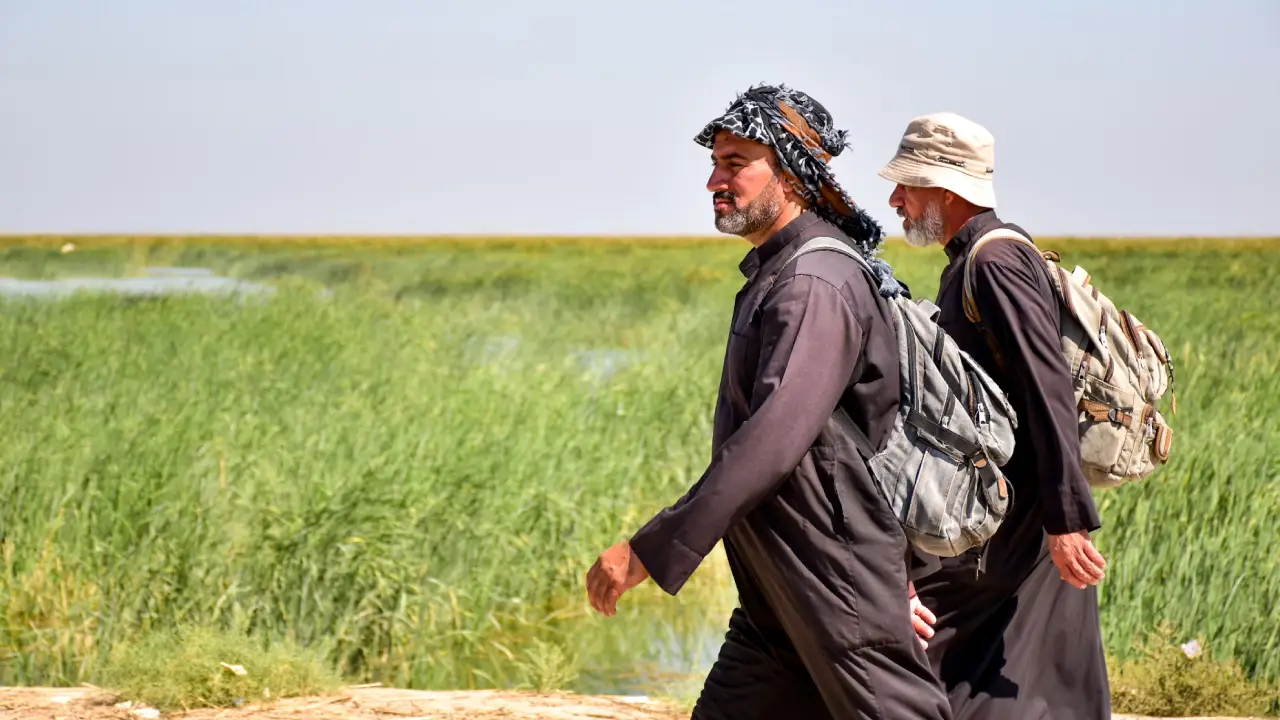
High in the Zagros Mountains of Iraqi Kurdistan, where eagles ride thermals above terraced orchards and shepherds still navigate by star and stone, a quiet revolution is unfolding — on foot.
The Via Dinarica — a 1,200-km transnational trail stretching from Slovenia to Albania — may be its official name. But in Iraq, it’s known by a different truth: “The Path of Return.”
Unlike the Camino de Santiago, with its centuries of pilgrimage infrastructure, Iraq’s section — the White Trail — is raw, rugged, and profoundly real. It winds 210 km from the Iranian border near Halgurd Mountain down to the Tigris near Erbil, passing through Yazidi shrines, Assyrian monasteries, Kurdish dihol (sunken) villages, and landscapes scarred — yet healed — by war.
This is not “adventure tourism.” It is slow travel as reparation: a chance to walk land that remembers every footfall — from Neolithic traders to peshmerga fighters — and to meet the people who guard its stories.
For those seeking depth over dazzle, connection over convenience, the Via Dinarica in Iraqi Kurdistan offers something rare:
A trail that doesn’t just lead you through a place — it leads you into it.
Ready to take the first step? Let’s begin — respectfully, responsibly, and with open eyes.
🔗 Before you go: See our Complete Guide to Visiting Iraq for essential context on visas, safety, and cultural etiquette.
Part I: What Is the Via Dinarica — And Why Iraq’s Section Matters
Originally conceived in 2009 by regional NGOs to revive mountain economies and cross-border cooperation, the Via Dinarica threads through the Dinaric Alps — but its Iraqi extension is unique.
- Iraq’s White Trail: ~210 km from Halgurd Peak (3,607 m) to Erbil Citadel
- Elevation gain: ~15,000 m total — steeper and wilder than the Camino
- Key distinction: While European sections are well-marked, Iraq’s trail is community-led — wayfinding done by elders, shepherds, and seasonal knowledge.
Why hike here?
- Walk where the Epic of Gilgamesh was set — mountains of cedar and snow
- Traverse the “Island” of Al-Jazirah — the land between Tigris and Euphrates
- Experience barzani hospitality — where a stranger is fed before asked their name
🔗 Curious about the region’s deep history? Explore The Influence of Mesopotamia on Modern Iraq.
Part II: The Route — Three Legs of a Living Journey
🔹 Leg 1: The High Peaks — Halgurd to Rowanduz (70 km)
“Where the Sky Touches the Earth”
- Terrain: Alpine meadows, glacial lakes (Geliy Reş — “Black Lake”), scree slopes
- Highlights:
- Halgurd Base Camp — sunrise over Iraq’s highest peak (permit required; arranged via KRG Ministry of Tourism)
- Zamwa Waterfall — 120m cascade, sacred to Yazidis
- Dawodiya Village — home to Iraq’s last Jewish family (2023); visit the restored synagogue with permission
- Stay: Homestays only — sleep on rugs in stone chaqas (mountain huts), warmed by dung-fired tannūr
- Cultural Note: This zone is patrolled by Asayish (Kurdish security) — always carry ID; register route in advance (Safety Overview)
🔗 Pair with: Exploring Erbil — A Modern City with an Ancient Heart as your trail endpoint.
Leg 2: The Canyon — Rowanduz to Akre (65 km)
“Where Rivers Carve Time”
- Terrain: Dramatic descent into the Rowanduz Canyon, one of the deepest in the Middle East
- Highlights:
- Geliy Shirin (“Sweet Lake”) — turquoise water fed by snowmelt
- Amedi Citadel — 1,500-year-old mountaintop fortress; Friday market sells kashk (whey cheese) and walnut oil
- St. Matthew’s Monastery — Assyrian Christian sanctuary, clinging to a cliff; monks offer arak and flatbread
- Stay: Dar Al-Akrad guesthouse (Akre) — family-run, with rooftop views and storytelling nights
- Wildlife: Persian leopards (rare), bearded vultures, wild goats (jedāl)
Local Insight: Shepherds use “sound mapping” — a whistle echoes differently near water, caves, or wolves. Ask to learn the signals.
🔗 For deeper context on religious diversity, see Understanding the Religious Importance of Iraq in Islam — and beyond.
Leg 3: The Plains — Akre to Erbil (75 km)
“Where Memory Meets the City”
- Terrain: Rolling foothills, olive groves, abandoned Ba’athist outposts now overgrown with poppies
- Highlights:
- Barzan Village — home of Kurdish leader Mustafa Barzani; visit the memorial cave used during uprisings
- Safwan Spring — where peshmerga fighters met to plan the 1991 uprising; now a peace garden
- Erbil Citadel — UNESCO site, continuously inhabited for 6,000 years
- Culinary Stop: Nasir’s Kitchen (near Makhmur) — serves dolma mawsiliyya (stuffed grape leaves with pomegranate molasses)
- Final Ritual: Wash feet at the Citadel’s sabil (public fountain) — a tradition for all pilgrims, secular or sacred
🔗 End your journey with: Best Hotels and Accommodation in Erbil — including boutique options near the Citadel.
Part III: The People — Guardians of the Path
The Via Dinarica in Iraq survives not by signage — but by relationship.
Sheikh Mahmoud (72, Halgurd)
Former peshmerga, now trail guardian.
“We don’t mark the path with paint. We mark it with memory. A bent oak means ‘turn left.’ A stone piled three-high means ‘water ahead.’ My grandfather taught me. I teach my granddaughter.”
Layla Hassan (34, Rowanduz)
Founder of Women on the Trail — a cooperative training female guides.
“When a woman leads a hike, families open doors. Elders share stories they’d never tell men. The trail becomes a space of truth.”
🔗 Support local women: See our guide to How to Respect Local Customs in Iraq.
Father Yohanna (60, St. Matthew’s Monastery)
Assyrian priest and herbalist.
“We’ve hosted travellers for 1,600 years — Muslims, Jews, Kurds, foreigners. The trail doesn’t ask your religion. It asks: Are you tired? Are you hungry? Are you kind?”
Part IV: Practical Guide — Hiking with Integrity
When to Go
- Best: May–June & September–October — wildflowers bloom, temps 15–25°C
- Avoid: July–August (45°C+), January–February (snow closes high passes)
🔗 Detailed seasonal advice: Best Time to Visit Iraq
How to Prepare
| Gear | Notes |
|---|---|
| Footwear | Sturdy ankle boots — trails are rocky, not graded |
| Water | 3L capacity + purification tablets (sources are clean but seasonal) |
| GPS | Offline maps essential — no signal in canyons (Top 5 Travel Apps) |
| Clothing | Modest layers — long trousers, breathable tops; headscarf for women in villages |
Permits & Logistics
- No national park fees — but register with Kurdistan Regional Government (KRG) Tourism Board (free; 3-day processing)
- Guides mandatory for Leg 1 (security); optional but recommended elsewhere
- Transport to trailhead: Shared taxis (servees) from Erbil to Halgurd (~4 hrs); book via hotel (Transport Guide)
🔗 First-time hiker? Read: Essential Travel Tips for First-Time Visitors
Budgeting Your Trek
| Cost | Daily Estimate |
|---|---|
| Guide | $30–40 (supports local economy) |
| Homestay | $10–15 (includes 3 meals) |
| Food/Water | $5 (if not staying with families) |
| Transport | $20 total (Erbil ↔ trailheads) |
| Total (7-day trek) | ~$350–450 |
| 🔗 Full breakdown: Budget Travel in Iraq |
Part V: Ethical Hiking — Leave No Trace, Take No Memory Without Permission
- Photography:
- ❌ Never photograph military checkpoints, security personnel, or homes without permission
- ✅ Do ask elders: “Dewlet dikim?” (“May I photograph?”) — many will say yes, then share their story
- Waste: Pack out all trash — no bins on trail
- Sacred Sites:
- Remove shoes at shrines/monasteries
- Women: Cover hair at Yazidi mazars and Christian monasteries
- Never point feet toward altars or prayer spaces
🔗 Respect deepens experience: How to Respect Local Custom
If you’re ready to explore Iraq, get in touch with us today. We offer complete travel packages, including flights, accommodation, and guided tours tailored to your needs. Simply fill out the form below or contact us on WhatsApp at +441992276061 for quick assistance. Let us make your journey to Iraq smooth and unforgettable!